

What Do You Do When a Plot Twist Lands Flat?
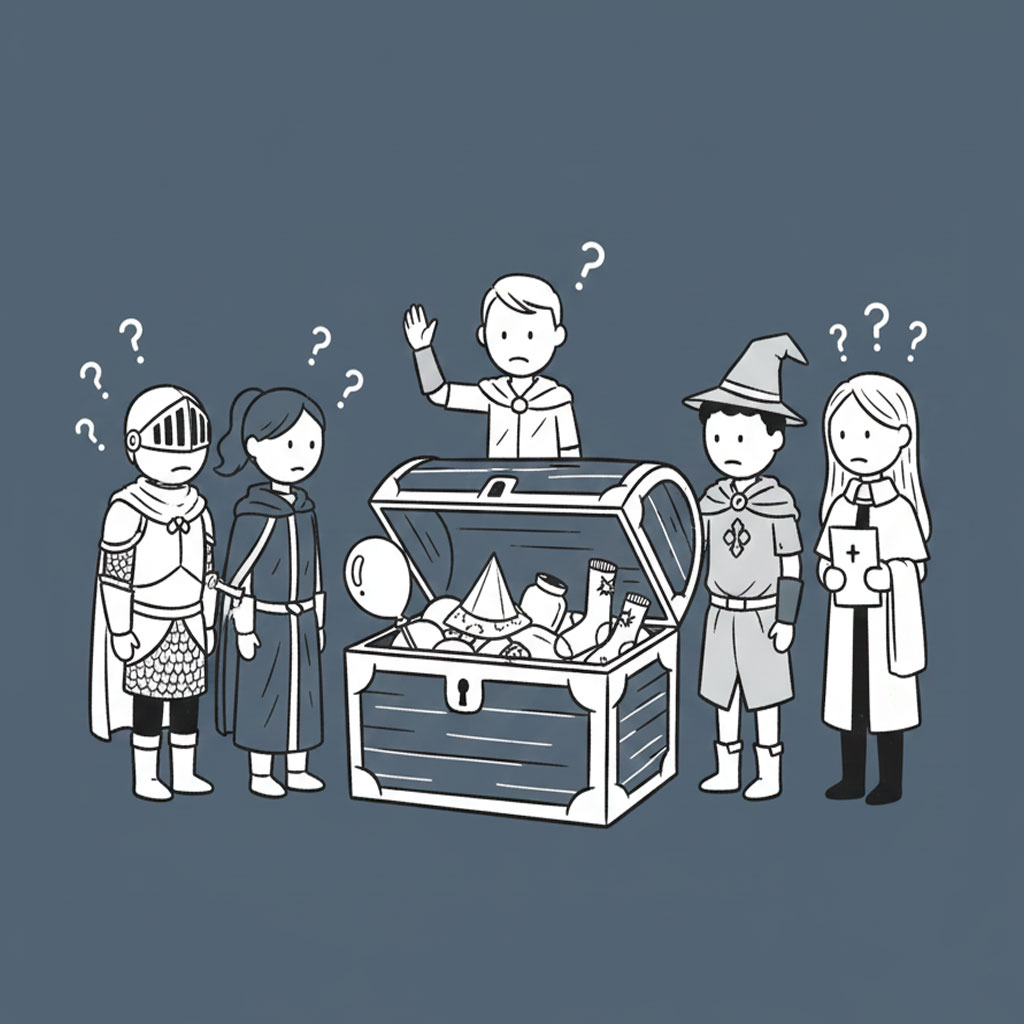
You build up the mystery, drop hints, rehearse the reveal in your head… and when you finally pull the curtain back, the table just kind of shrugs. Maybe they already guessed it. Maybe they missed everything. Maybe they just go, “Oh. Huh. Anyway, I open the next door.”
That sucks, sure—but it doesn’t mean the moment is ruined or the story is dead. A twist isn’t a magic trick you either “win” or “lose”. It’s just a turning point. If it lands flat, you can still turn it into something powerful with how you handle the next few minutes at the table.
The short answer: stay in the fiction, lean into the consequences of the twist, and treat the reveal as the start of a new arc, not the end of your clever plan.
- Why This Matters for Your Game
- Key Ideas to Keep in Mind
- ➤ First, Read the Room and Name What’s Really Happening
- ➤ If They Guessed the Twist Early, Reward Them in the Fiction
- ➤ If They’re Confused, Clarify Why the Twist Matters Right Now
- ➤ Follow Up with “Aftershocks” That Make the Twist Feel Bigger
- ➤ Invite the Characters’ Emotions into the Spotlight
- ➤ Be Willing to Adjust Your Plan, Not Throw It Away
- ➤ Learn from It Without Beating Yourself Up
- Final Thoughts for Your Next Game
- Common Questions
Why This Matters for Your Game
Plot twists aren’t just about surprising your players. They’re about changing how they feel about what’s happening.
When a twist falls flat:
- You might feel embarrassed or frustrated and start second-guessing your prep.
- Players may stop paying attention to clues because “it didn’t really matter.”
- The story beat that was supposed to re-energize the campaign can feel like a speed bump instead.
Emotionally, it’s a missed chance. A good twist doesn’t have to shock everyone, but it should change how the group sees a person, place, or problem. If that doesn’t happen, your pacing takes a hit: the moment you expected to be a big turning point is suddenly a quiet “meh”.
But here’s the nice twist for you: stories aren’t judged by single moments; they’re judged by the overall arc. A reveal that lands flat can still become legendary if:
- The aftermath is interesting.
- Players feel like their choices matter more now.
- The world clearly shifts because of what they’ve learned.
When you stop worrying about “did they gasp?” and focus on “does this change the situation?”, twists become a lot less fragile and a lot more fun to run.
Key Ideas to Keep in Mind
➤ First, Read the Room and Name What’s Really Happening
Before you scramble to “fix” anything, take a breath and look at how the players are actually reacting:
- Did they already figure it out and feel validated?
- Are they confused and unsure why this matters?
- Are they just quietly processing and waiting to see what happens next?
These are three different situations, and they need different responses.
You don’t need a long out-of-character therapy session. But you can do a quick, light check:
- “Okay, just to be sure—does this surprise any of you, or were you already suspecting it?”
- “How do your characters feel about this?”
You’re not asking for feedback on your performance; you’re getting a read on where the group’s heads are at so you can steer the next beat. Knowing whether they’re bored, confused, or secretly delighted tells you what to emphasize in the aftermath.
➤ If They Guessed the Twist Early, Reward Them in the Fiction
Sometimes the twist is “flat” because they saw it coming a mile away. That’s not failure—that’s them engaging with your clues.
Instead of thinking “ugh, they ruined it,” treat it as a win:
- Acknowledge their deduction in-world.
- “Because you suspected the duke, you’re not caught off guard by this betrayal.”
- Give them a concrete advantage.
- Advantage on initiative, a chance to pre-position, a prepared counterspell, etc.
- Let their planning pay off.
- Maybe they warned an NPC, set a trap, or arranged a backup plan.
You can even reframe it out loud:
- “You were clever enough to see this coming, so you’re not shocked—you’re ready.”
That flips the energy from “lame reveal” to “we’re smart and now the real showdown starts.”
➤ If They’re Confused, Clarify Why the Twist Matters Right Now
Other times, players aren’t unimpressed—they just don’t understand the significance. In your head, it’s huge; to them, it’s another name, another layer, another “okay, but so what?”
Fix that by making the stakes and consequences crystal clear:
- Have an NPC react strongly.
- “The usually calm captain goes pale and whispers, ‘If that’s true… the city is already lost.’”
- Tie it directly to a goal they care about.
- “This means the artifact you’ve been hunting for? It’s been in your bag the whole time.”
- Put an immediate decision on the table.
- “Now that you know this, do you warn the council, confront the traitor, or try to run before the city turns on you?”
The key idea: don’t just repeat information. Show why it matters now. Link the twist to action, not just lore.
➤ Follow Up with “Aftershocks” That Make the Twist Feel Bigger
A twist doesn’t live or die in the five seconds you reveal it. It lives in the fallout.
If the initial “ta-da!” is underwhelming, double down on the aftershocks:
- Relationships flip: an ally is now an enemy, or an enemy becomes a reluctant ally.
- The environment changes: a safe place is compromised, a stronghold falls, a route is cut off.
- New threats emerge: a faction reacts, a hunt begins, a rival group gets an opening.
- Old scenes gain new meaning: clues they ignored or forgot now click into place.
You can even lightly remind them:
- “Looking back, that explains why the bishop kept pushing you away from the archives.”
- “Remember the guard who ‘lost’ the key? That was part of this, too.”
Let the twist send ripples through the campaign instead of treating it like a one-and-done firework. Players might not gasp at the reveal, but they will feel the impact as their plans and assumptions start shifting.
➤ Invite the Characters’ Emotions into the Spotlight
If you focus only on “was this surprising?” you miss a bigger question: “how does this feel for the characters?”
After the reveal, give them a bit of space to react in character:
- Ask a simple prompt:
- “What’s going through your character’s mind right now?”
- “Who do you look at first when you hear this?”
- Offer a small scene:
- A private conversation, a quiet moment at the campfire, a tense argument between party members.
This does two things:
- It shifts attention from judging your twist to exploring their characters.
- It reinforces that the twist is about them, not just world lore.
Even if the reveal itself was only “okay”, a heated debate about whether to forgive the traitor or abandon the city is instantly more memorable.
➤ Be Willing to Adjust Your Plan, Not Throw It Away
Once the twist is out, you might realize your original plan assumed a much stronger reaction. That’s fine. Don’t panic-delete your entire arc; just adjust the dials.
You can:
- Change the pacing:
- If they’re unmoved, accelerate the next big event so the story doesn’t linger on a beat they don’t care about.
- Shift the focus:
- If they latch onto a side detail you didn’t expect, consider making that the emotional core going forward.
- Raise or lower the drama:
- If it felt too minor, tie the twist to a bigger threat.
- If it felt overwhelming and they’re disengaging, give them clearer, simpler choices.
Think of your prep as a flexible outline, not a script. The twist was one suggestion of where the energy might go. Their reaction tells you where it actually wants to go. Follow that.
➤ Learn from It Without Beating Yourself Up
After the session, then you can put on the “DM learning hat” and ask:
- Did I signal why this twist mattered early enough?
- Were the clues too subtle or too obvious?
- Was the twist about something they cared about, or something I cared about?
For future twists, you might:
- Tie them more directly to player goals and backstories.
- Seed at least one or two very clear, visible hints.
- Plan not just “the reveal line” but “the immediate choice it creates.”
You’re not aiming for perfect twists. You’re building a feel for what your specific group reacts to. Every flat twist is free data.
Final Thoughts for Your Next Game
A twist that doesn’t land the way you imagined isn’t a disaster. It’s just a moment you thought would be loud that turned out quiet. What really matters is what you do after that quiet beat.
For your next session, you can try:
- Planning one twist or reveal with a clear immediate consequence attached.
- Deciding in advance: “If they already know this, how do I reward them?”
- Giving the characters a short, focused moment to react emotionally.
If you stay in the fiction, lean on consequences, and treat player reactions as part of the story instead of a verdict on your performance, your twists will feel a lot less fragile—and your campaign will feel a lot more alive.
Common Questions
