
NARRATIVE TOOLS, ROLEPLAY FLAVOR, DESCRIPTION HELP…
Narrative Layers & Roleplay
Tools for Immersive Sessions
Being a DM isn’t just about monsters, stat blocks, encounter balance, dice rolls, and moving miniatures around the table. It’s also about how everything feels in play: how a hit lands, how a spell looks and sounds, how an NPC hides what they really want, how a forest changes the mood of the session, and how even a short encounter can become memorable with the right description.
Narrative Layers is a growing collection of free D&D 5e tools for better roleplay, stronger descriptions, faster improvisation, and more immersive sessions without adding mechanical weight. Use these resources when you need quick narrative prompts, sensory details, NPC mannerisms, spell flavor, combat narration, environmental atmosphere, or a simple way to make a scene feel alive without writing boxed text in advance.
These tools are designed for live use at the table. Open one during prep, keep it nearby during a session, grab the detail that fits, and move on. The goal is not to force drama or turn every moment into a speech. The goal is to help DMs go beyond “you hit,” “you cast the spell,” or “you enter a room” and give the table something vivid enough to imagine, react to, and remember.
Narrative Layers can help you:
- Add D&D descriptions that are vivid, short, and easy to improvise during a session.
- Make combat, magic, travel, NPCs, and social scenes feel less generic.
- Use roleplay prompts, sensory details, mannerisms, and scene flavor without changing 5e rules.
- Build more immersive D&D sessions through mood, tension, atmosphere, and dramatic focus.
- Give the DM fast tools for moments when the table needs more than dice results and tactical movement.
- Make even a brief encounter, quiet scene, or passing NPC feel specific and memorable.
This collection currently includes:
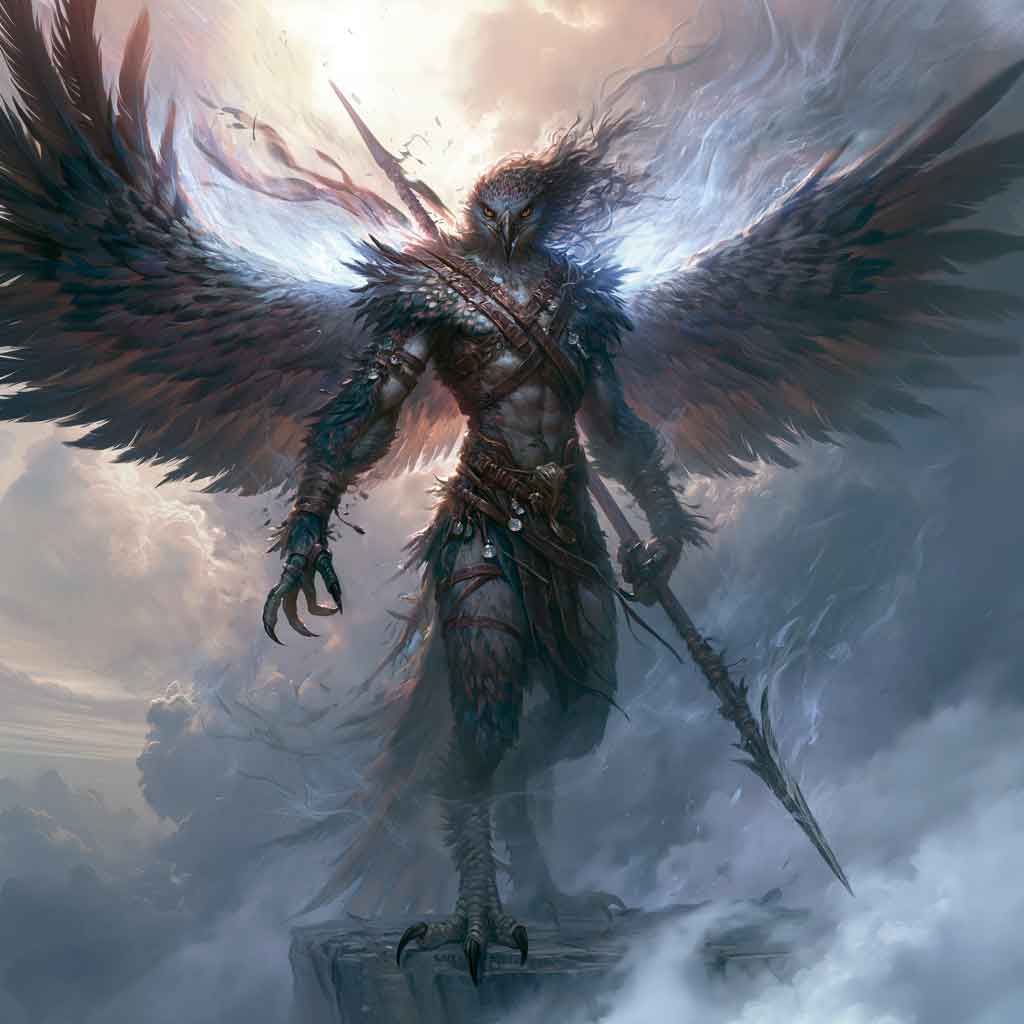
- Visceral CombatCritical hit descriptions, mortal damage, and monster-based combat narration.
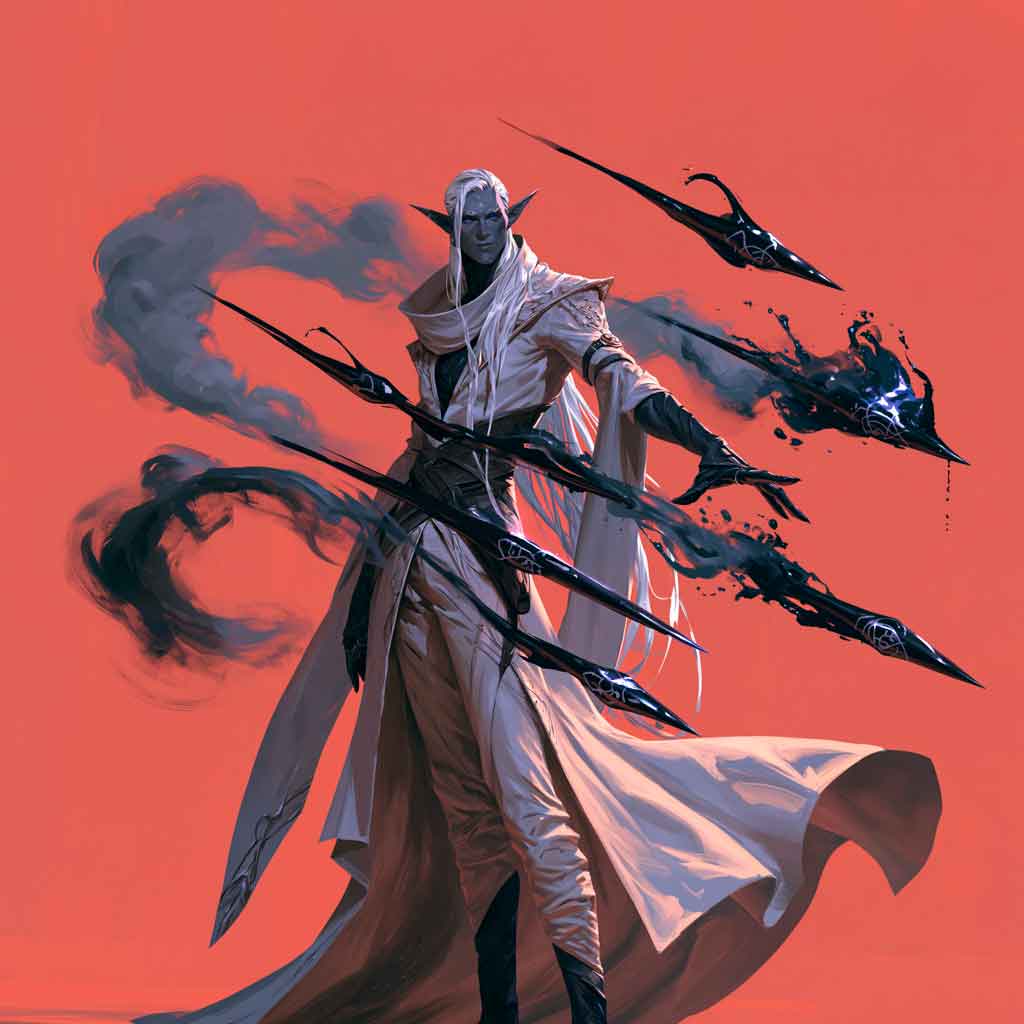
- Signature MagicSpell flavor, arcane reskins, magical motifs, and personal casting styles.
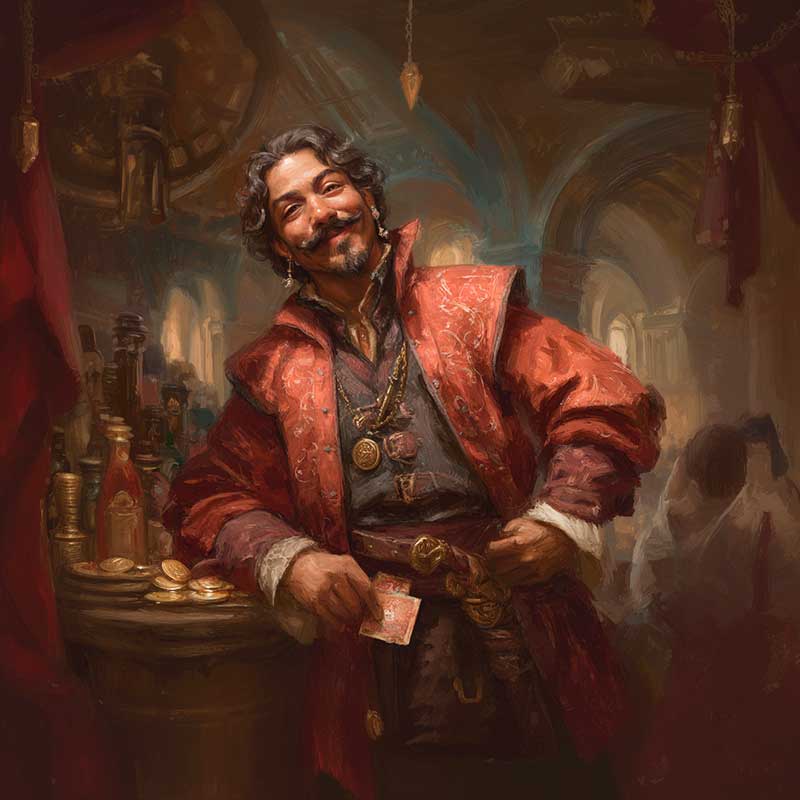
- Social VeneersNPC mannerisms, social masks, quirks, behavior cues, and roleplay prompts.
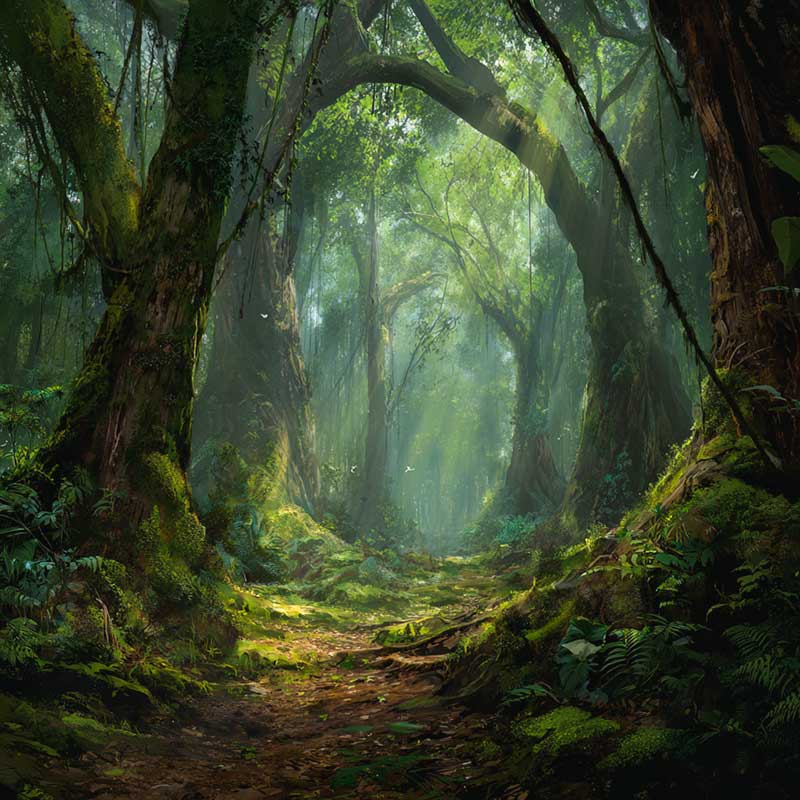
- Living LandscapesEnvironmental descriptions, sensory details, atmosphere, and travel flavor.
Narrative & Roleplay Tools for Pathfinder 2e, Daggerheart & Other Fantasy TTRPGs
Most Narrative Layers are system-light because they deal with description, roleplay, atmosphere, improvisation, NPC behavior, spell flavor, travel scenes, and dramatic focus rather than hard 5e math.
The main exception is Visceral Combat, which is tied more directly to D&D 5e creatures and Monster Manual-style entries. Signature Magic, Social Veneers, and Living Landscapes can be used much more broadly in Pathfinder, Daggerheart, the Cosmere RPG, and other medieval fantasy TTRPGs.
If your game has spells, NPCs, travel, ruins, forests, cities, social scenes, combat, or moments where the GM needs to improvise a stronger description, these tools can help make the scene feel sharper, more immersive, and easier to run.
Latest D&D Narrative Layers for Great Descriptions and Roleplaying
Browse Narrative Layers Free 5e DM Tools:
Visceral Combat: Critical and Mortal Damage organized by Monster
Critical hit descriptions, mortal damage, and monster-based combat narration for D&D 5e.
Signature Magic: Reskin any Spell with a personal Theme
Spell flavor, arcane reskins, magical motifs, and personal casting styles without changing mechanics.
Social Veneers: Mannerisms, Tricks and Quirks for NPCs
NPC mannerisms, social masks, quirks, behavior cues, and roleplay prompts for fast improvisation.
Living Landscapes: Environments and Phenomena
Environment descriptions, sensory details, atmospheric pressure, travel flavor, and living places for fantasy sessions.
Pairs Well With
Most useful if: the rules already work but a scene needs stronger sensory detail, atmosphere, or roleplay texture.
- Weird TrinketsFlavor-first D&D 5e trinkets, mundane treasures, common items, odd objects, keepsakes, clues, and non-magical rewards designed to add story hooks without balance work.
- Fast EncountersReady-to-run D&D 5e encounters built for roughly an hour of play, each with an immediate situation, active pressure, a complication, and multiple possible resolutions.
- Plot HooksCompact D&D 5e plot hooks and adventure hooks built around a strong conflict, reversal, consequence, mystery, or dilemma that Dungeon Masters can expand into their own campaigns.
![One Man [RPG] <studio>](https://oneman-rpg-studio.com/wp-content/uploads/2025/11/logo-favicon-170-150x150.png)
Join the project
Help bring to life a universe of worlds, characters, creatures, and unforgettable adventures