How Do You Keep Combat Fast and Exciting Without Losing the Drama?
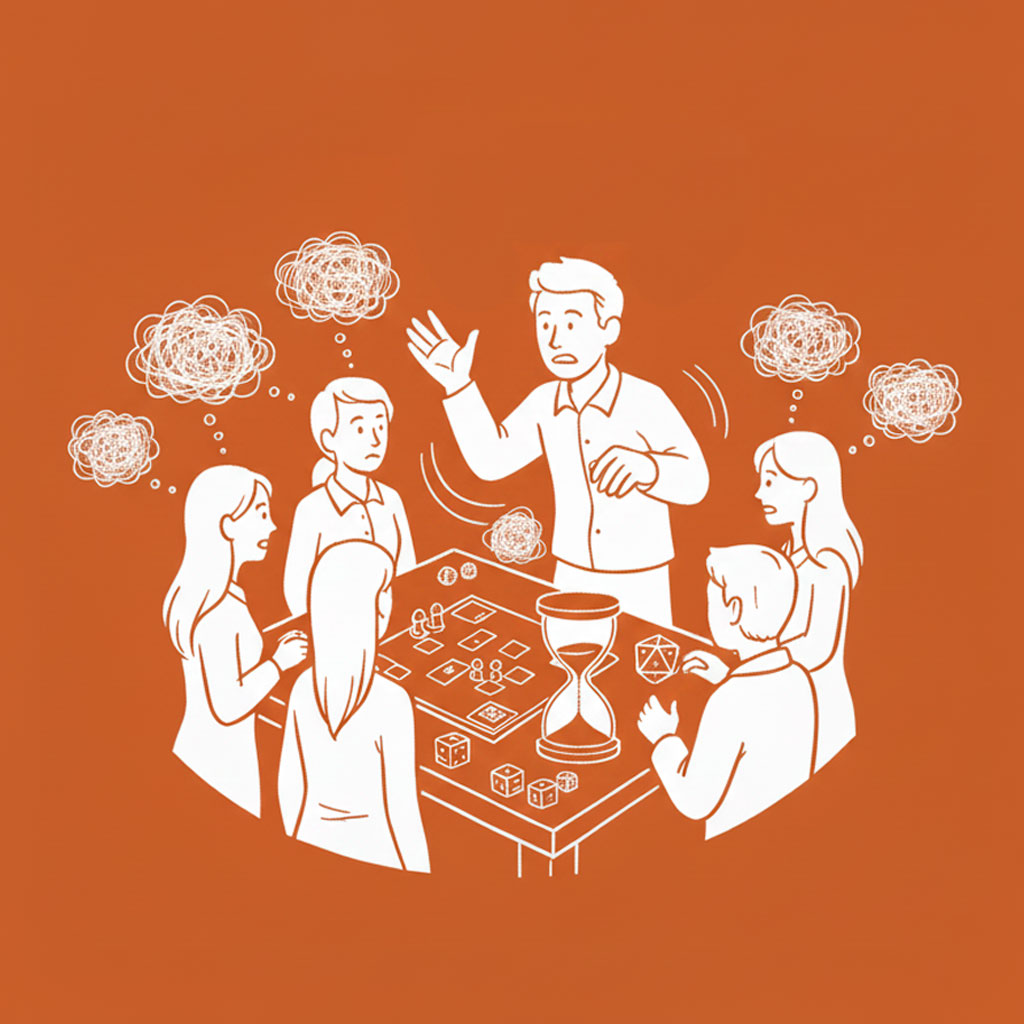
You line up the minis, roll initiative… and then everything slows to a crawl. One player is digging through spells, another is half on their phone, someone else has wandered off for snacks. Three rounds later it’s been an hour and a half and everyone’s energy is gone.
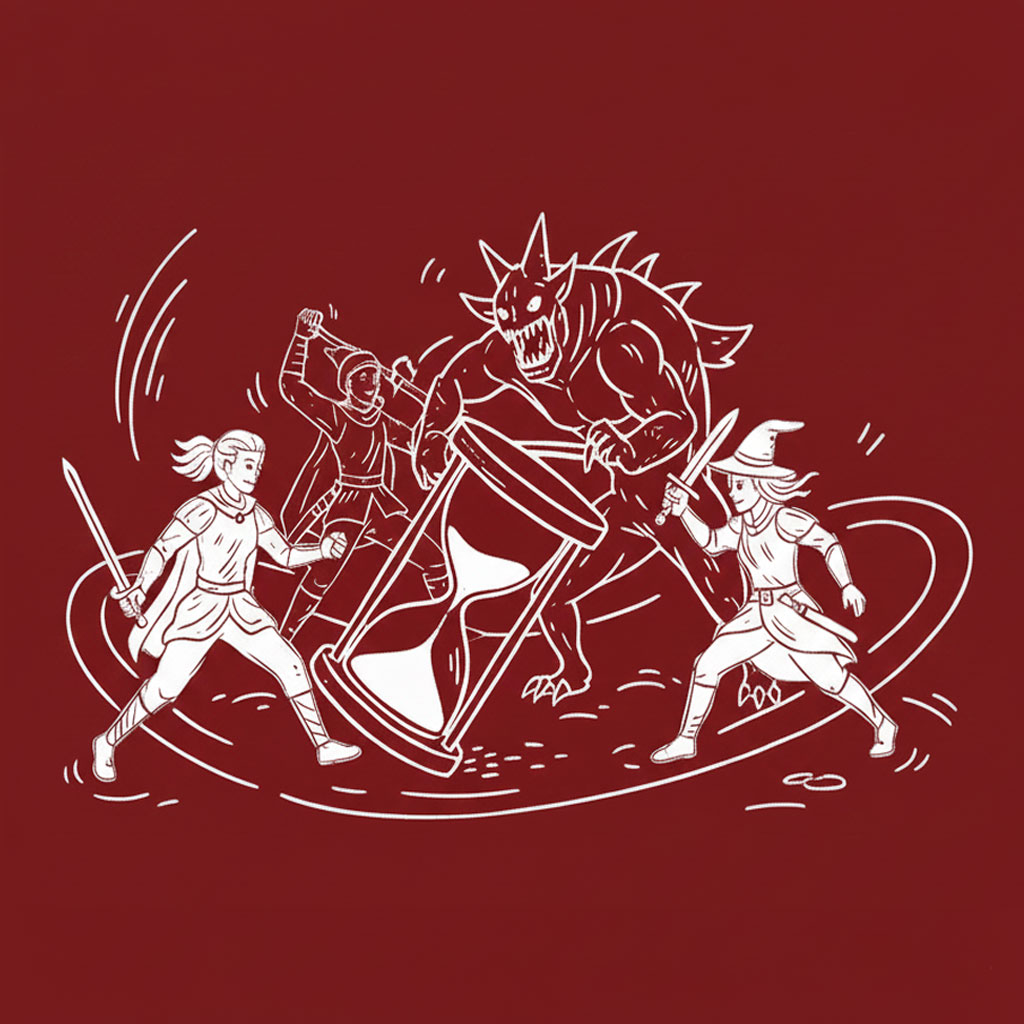
You want combat to feel tense and cinematic, not like doing paperwork with dice. The trick isn’t “no tactics” or “no roleplay” – it’s putting a few guardrails around how fights run so they stay sharp, punchy, and meaningful.
The short answer: give each fight a clear purpose, let the battlefield do some of the heavy lifting, and put gentle pressure on everyone (including you) to keep things moving.
Why This Matters for Your Game
When combat drags, it quietly drains your whole campaign.
Slow fights mean:
- Less time for exploration, roleplay, and consequences.
- Players zoning out between turns and only snapping back when it’s “their time to roll.”
- Encounters that all feel the same: stand in a blob, trade hits, repeat.
You can feel it at the table: the first round is exciting, the second is okay, and by the third everyone is waiting for it to just be over.
When combat is fast and focused:
- Players pay attention to the whole scene, not just their own turns.
- Tactics stay interesting because choices feel urgent, not theoretical.
- You can fit multiple meaningful scenes into a session, so the story pacing feels rich and varied.
“Fast” doesn’t mean “brainless.” You’re aiming for decisive combat: clear stakes, bold choices, and enough friction to be tense without bogging everything down.
Key Ideas to Keep in Mind
Make Every Encounter About Something Specific
If a fight is just “some monsters jump you,” it’s easy for it to feel like filler. Before you put enemies on the map, ask yourself two questions:
- What is this encounter for in the story?
- What changes depending on who wins?
Examples:
- The cultists aren’t just a bag of hit points – they’re trying to finish a ritual in three rounds.
- The bandits aren’t just XP – they’re here to seize the wagon and its cargo.
- The animated armor isn’t just a threat – it’s a timed obstacle while the room floods.
Then make those stakes visible in play:
- “If those two finish chanting, something very bad comes through that portal.”
- “If the ogres get past you, they’ll reach the villagers.”
Once the objective is clearly resolved – the ritual is stopped, the wagon is saved, the hostage is taken or rescued – you can end the encounter, even if there are technically a couple of enemies still standing. The dramatic question is answered; no need to grind. For boss fights, that same principle works especially well when you build the encounter around a changing objective instead of a larger hit-point pool.
Let the Environment Do Half the Work
A flat room with a few enemies is just a math problem. A battlefield with features is a scene.
You don’t need elaborate maps. You just need two or three interesting elements, such as:
- Elevation: balconies, boulders, staircases, rafters.
- Cover and obstacles: pillars, overturned tables, crates, broken statues.
- Hazards: unstable bridges, slick ice, lava vents, swinging chains, wild magic zones.
- Interactable objects: braziers to kick over, chandeliers to cut, levers to pull, chains to break.
These give players something to do besides “I walk up and attack.” They might:
- Shove someone off a ledge.
- Drop debris on an enemy cluster.
- Dash to the lever before more enemies arrive.
It also gives you fuel for movement and tension: enemies can try to push the party into hazards, retreat to high ground, or trigger environmental changes mid-fight. For a concrete example, see how terrain can make goblins more effective enemies.
Put Gentle Time Pressure on Player Turns
Most slowdowns don’t come from the rules, they come from indecision and distraction.
You can speed things up a lot with simple expectations:
- Before combat starts, say something like:
“Let’s try to keep turns snappy. When it’s your turn, aim to start acting within about 30 seconds.” - Use “on deck” reminders:
“Kara, you’re up next after Jorik.”
If someone is frozen in analysis:
- Offer two clear options:
“You can either blast those three with your spell or heal your friend at 0 hp. Which one sounds better right now?” - If they’re still unsure, nudge them toward a simple action this round and remind them they can plan something fancier before their next turn.
You’re not punishing anyone; you’re just keeping the flow. The goal is to get people thinking during other turns instead of only starting to think when their name is called.
Simplify Your Side of Combat
You’re running every enemy, the environment, and the rules. Give yourself shortcuts.
A few easy ones:
- Group similar enemies.
Creatures with the same stats can share one initiative and even share attack and damage rolls if you like. It speeds resolution a LOT. - Use average damage.
Instead of rolling damage dice every time, use the average listed and move on. - Limit monster “fancy tricks.”
Give each enemy type one or two signature moves rather than a huge toolbox you’ll forget anyway. - Make quick rulings.
If a weird rules question comes up, pick a fair ruling on the spot and keep going. You can look up the exact text later and adjust next time.
The less mental load you carry, the more energy you have to keep the pacing and narration exciting. If the slowdown comes from enemy volume, see how to run many minions without slowing combat to a crawl.
Use Variety in Encounter Goals, Not Just Bigger Numbers
Leveling up often drifts into “same fight, but with higher AC and HP.” That gets stale.
Instead of only increasing difficulty, vary the type of problem:
- Defend: hold a chokepoint while civilians escape.
- Chase: stop mounted raiders before they reach the gate.
- Puzzle combat: enemies can’t be killed until the crystal pillars are disrupted.
- Escape: survive for six rounds until the portal opens.
- Social-combat mix: convince the hostile beasts’ handler to call them off while under attack.
You can still run simple “we fight them” encounters sometimes, but sprinkling in different objectives keeps players engaged and prevents combat from feeling like the same song on repeat.
Let Narration and Thresholds Carry the Drama
Combat feels flat when it’s all numbers:
“Hit… miss… 9 damage… next.”
You don’t have to narrate every stab in detail, but little touches matter:
- Describe big hits and near misses in a short, punchy line.
- Show the state of the battlefield occasionally: “The room is filling with smoke; you’re coughing as you fight.”
- Use thresholds like “bloodied” (around half hp) as triggers for drama: the enemy changes tactics, reveals a hidden ability, tries to bargain, or attempts to flee.
This gives you natural beats to ramp tension up or down and clear signals that the tide of battle is turning, which keeps players emotionally invested. For the inverse pacing problem, see how to make combat feel slower and more dramatic without making it drag.
Final Thoughts for Your Next Game
Fast, exciting combat isn’t about stripping away options; it’s about cutting the dead air so the good parts can shine. That also means knowing when a combat still deserves full initiative and when it can be compressed.
For your next session, try one or two of these:
- Give each fight a clear, spoken objective and visible stakes.
- Add two interesting terrain features or interactables to one combat.
- Use “you’re on deck” reminders and a soft expectation of quick decisions.
- Group your monsters and use average damage for most attacks.
You don’t have to fix everything at once. Shave a little time off each round, add a little clarity to each encounter’s purpose, and you’ll feel the difference almost immediately. Your players will walk away remembering the moments in your fights, not how long they took.
Common Questions